The History of Ponteland
From a Saxon settlement by the River Pont to a fortified frontier village and today's sought-after Northumberland town — the people, buildings and events that shaped this place.
Ponteland Through the Centuries
The key moments that shaped Ponteland from a settlement on the Pont into a thriving modern town.
A settlement on the Pont
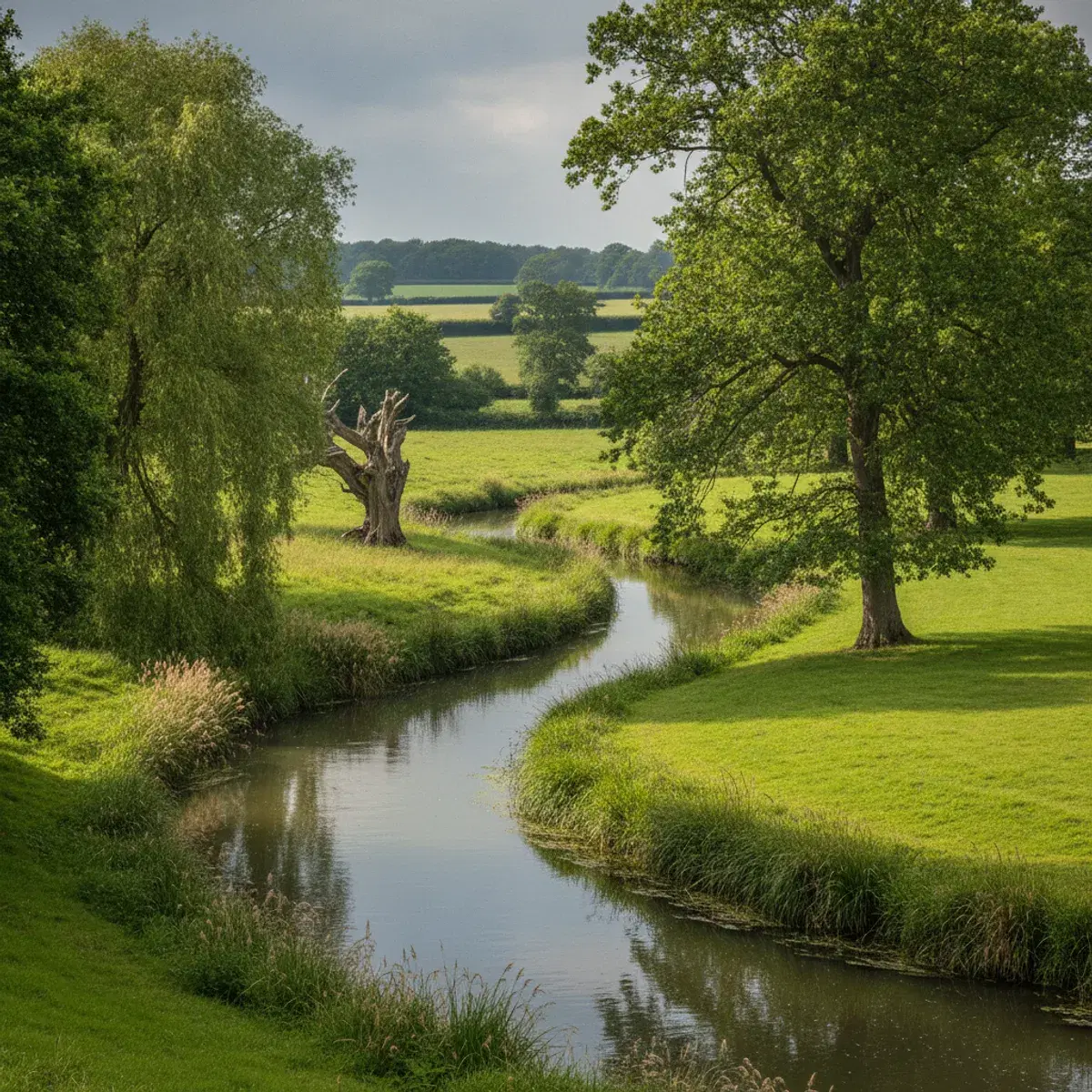
Ponteland grew up where the road crossed the River Pont. Its name comes from the river — an early form was 'Eland on the Pont', meaning the land or island by the Pont — rather than from any grander origin.
St Mary the Virgin Church
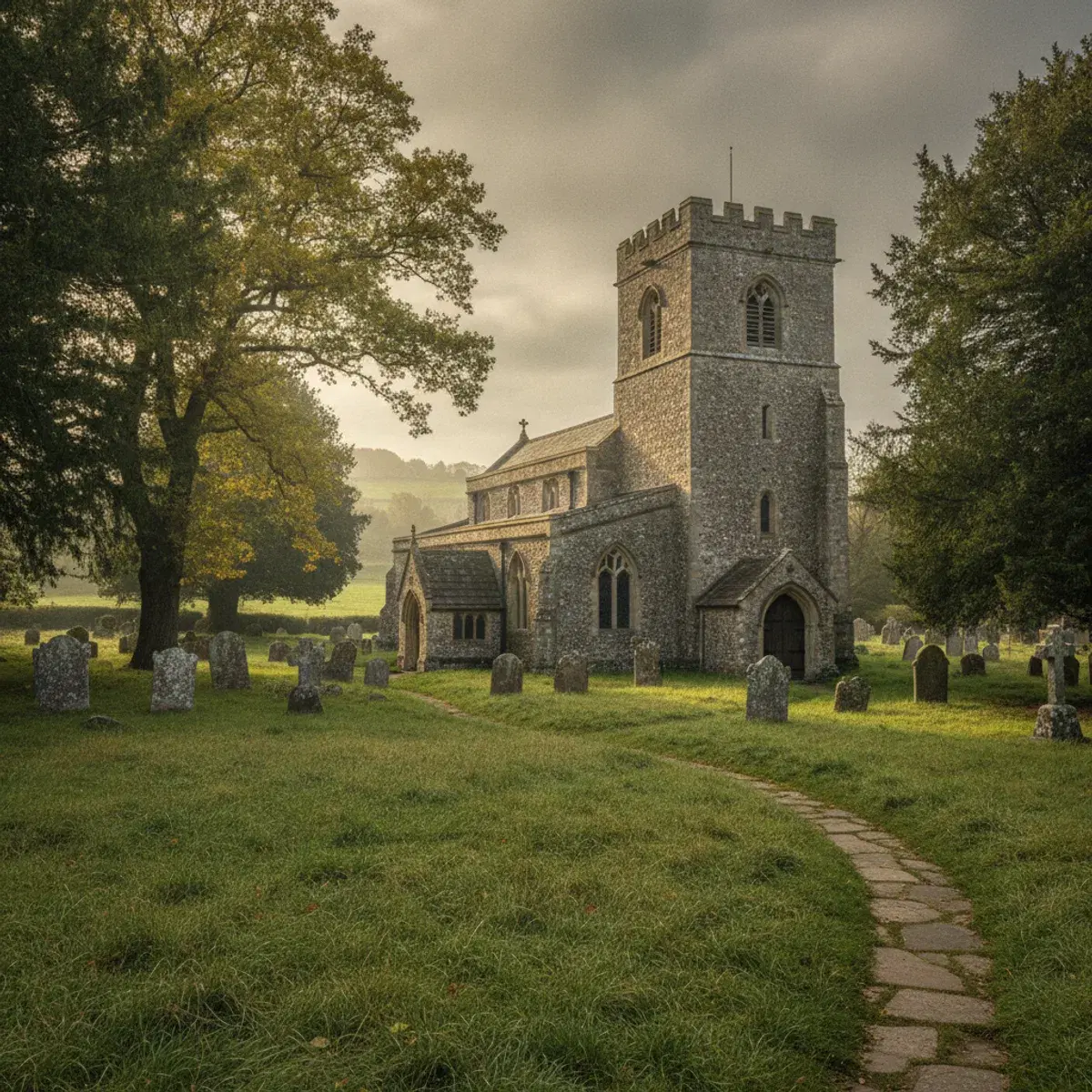
The parish church of St Mary the Virgin is essentially a 12th-century building. Its Norman tower doorway carries a distinctive zig-zag arch, and the church preserves fine 13th-century stone carving. It remains at the heart of the village.
A frontier village
On the contested Anglo-Scottish border, Ponteland was fortified. A 13th-century fortified hall house stood opposite the church, and the Vicar's Pele — a medieval defensive tower house on Main Street, now a scheduled ancient monument — was built during the border wars.
Destroyed before Otterburn
Ponteland's small castle or tower house was largely destroyed by the Scottish army under the Earl of Douglas, the day before the Battle of Otterburn. Its remains were later incorporated into the building now occupied by the Blackbird Inn.
Darras Hall garden village
The Darras Hall estate was laid out in the early 1900s as a garden-village smallholdings scheme. Over the following century it grew into one of the most sought-after residential areas in the North East.
A commuter town
With Newcastle a short distance away and Woolsington aerodrome — now Newcastle International Airport — on the doorstep from the 1930s, Ponteland grew steadily into a prosperous commuter town while keeping its village core.
A new civic heart
A major town-centre redevelopment delivered a new Ponteland Leisure Centre, library and a Waitrose-anchored civic hub, modernising the centre while the historic Main Street and Bell Villas kept their character.
A thriving Northumberland town
Ponteland is one of the North East's most desirable places to live — known for its schools, independent high street, green space along the Pont, and the leafy Darras Hall estate.
Heritage Articles
In-depth stories about the people, buildings, and events that shaped Ponteland.
The Best Photography Spots in Ponteland
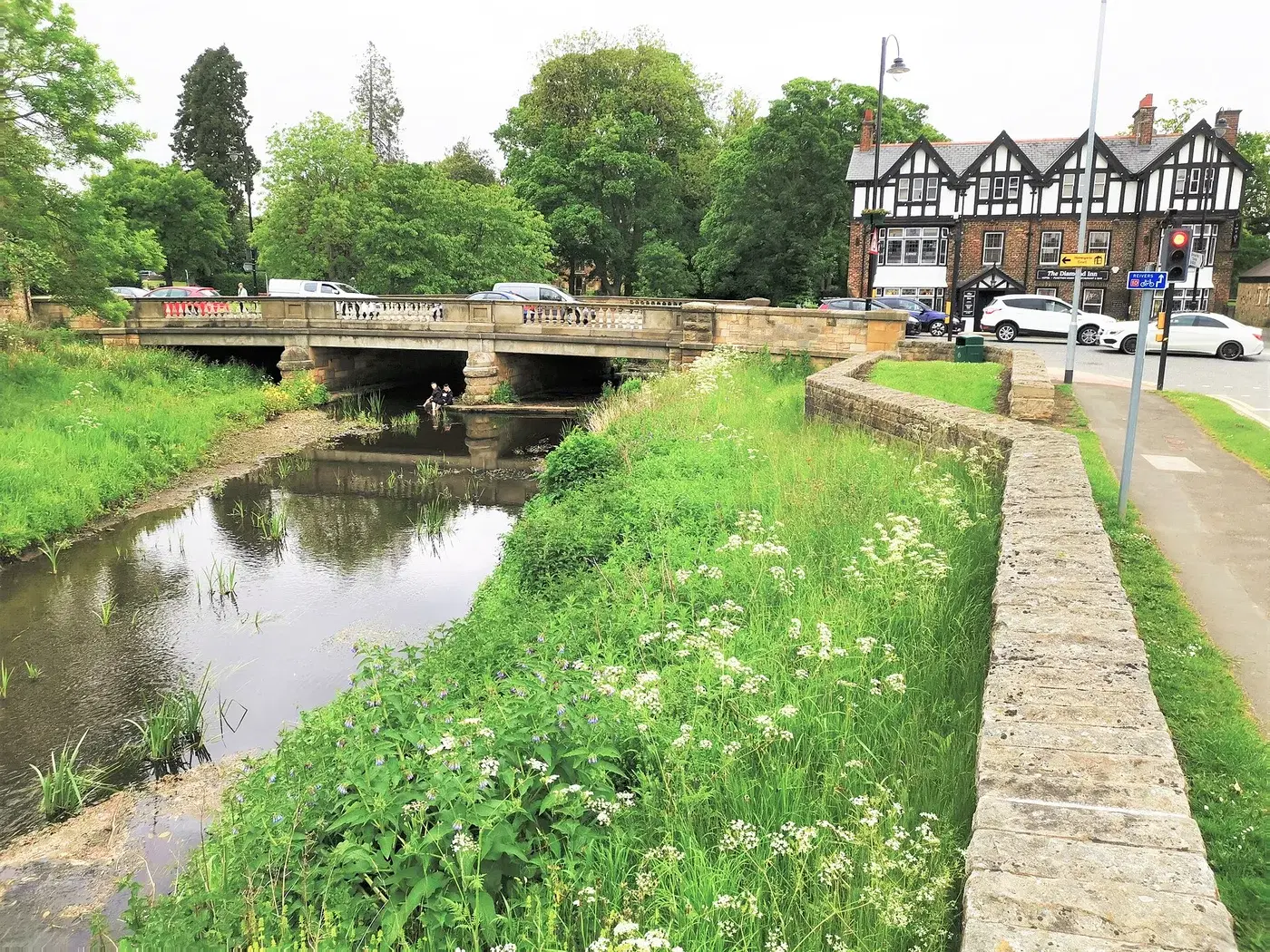
Where to point your camera in and around Ponteland, from the old bridge over the River Pont to a Norman church, a medieval tower and open Northumberland countryside.
Ponteland in World War Two: The Airfield on the Doorstep
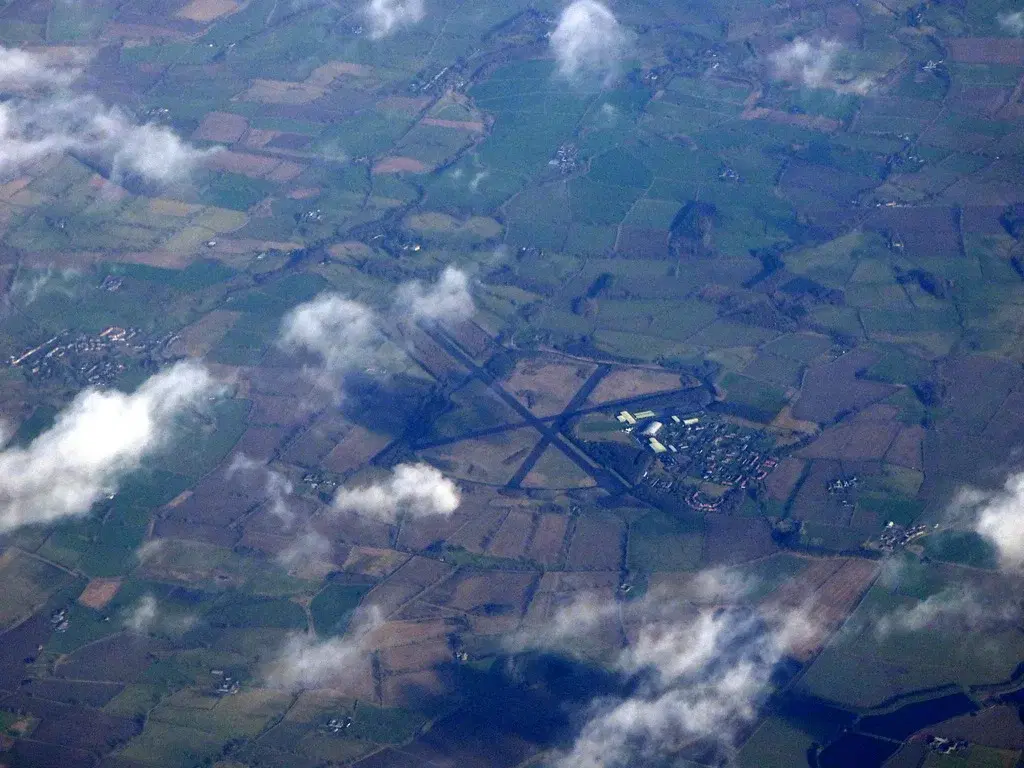
Spitfires and Hurricanes once flew from the fields near Ponteland. A guide to the village's Second World War history, centred on RAF Ouston.
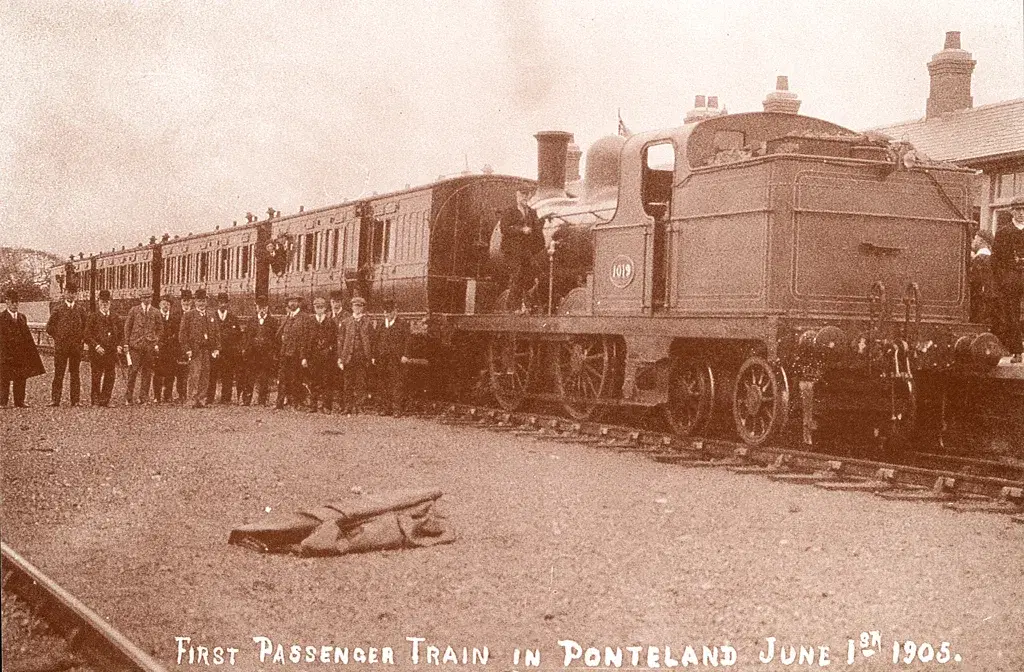
The Lost Buildings of Ponteland: A Village's Vanished Past
A castle sacked by the Scots, a railway that barely lasted a generation. A guide to the lost and vanished buildings of Ponteland and the history they left behind.
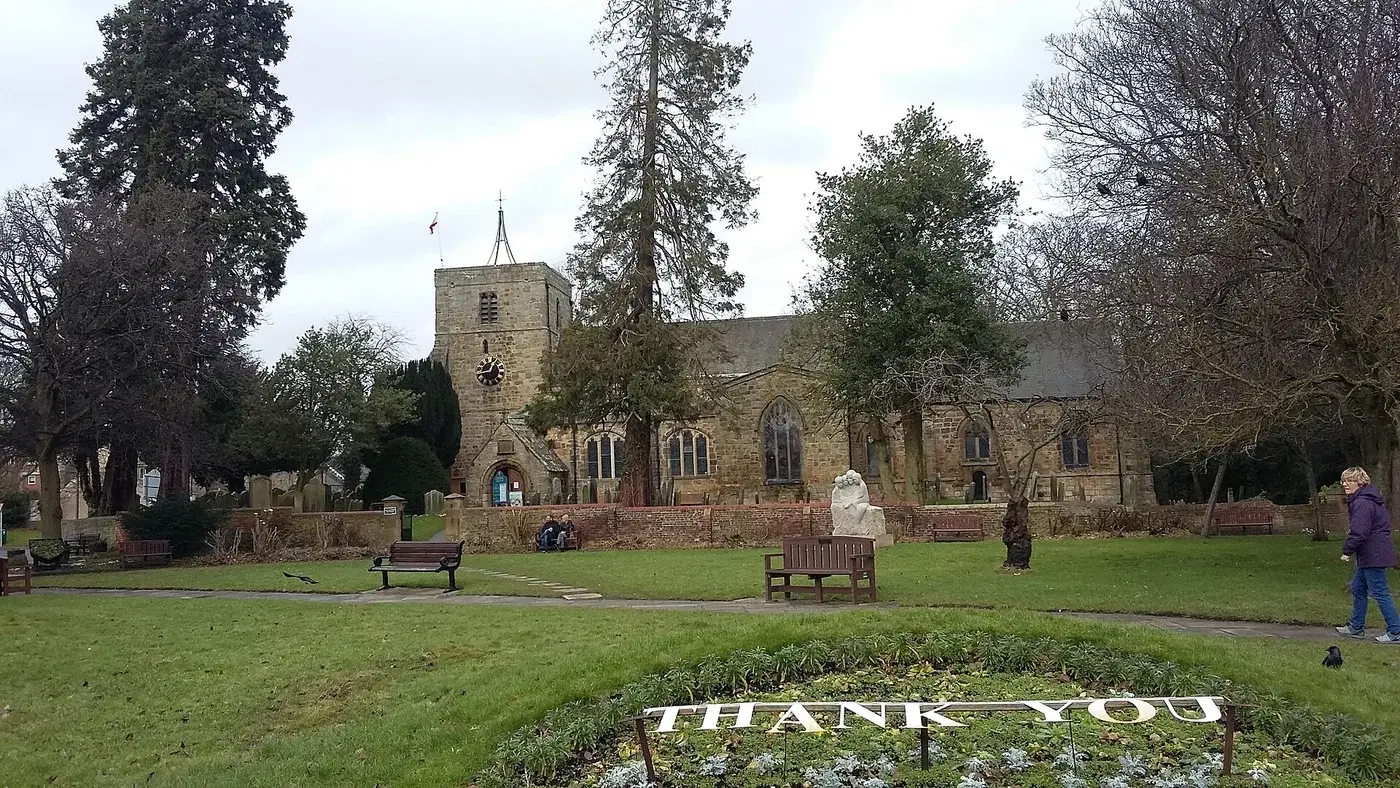
The Churches of Ponteland: A Guide to the Village's Places of Worship
From a Norman church on a Saxon site to a chapel built on the old railway station, a guide to Ponteland's four churches and the history behind them.
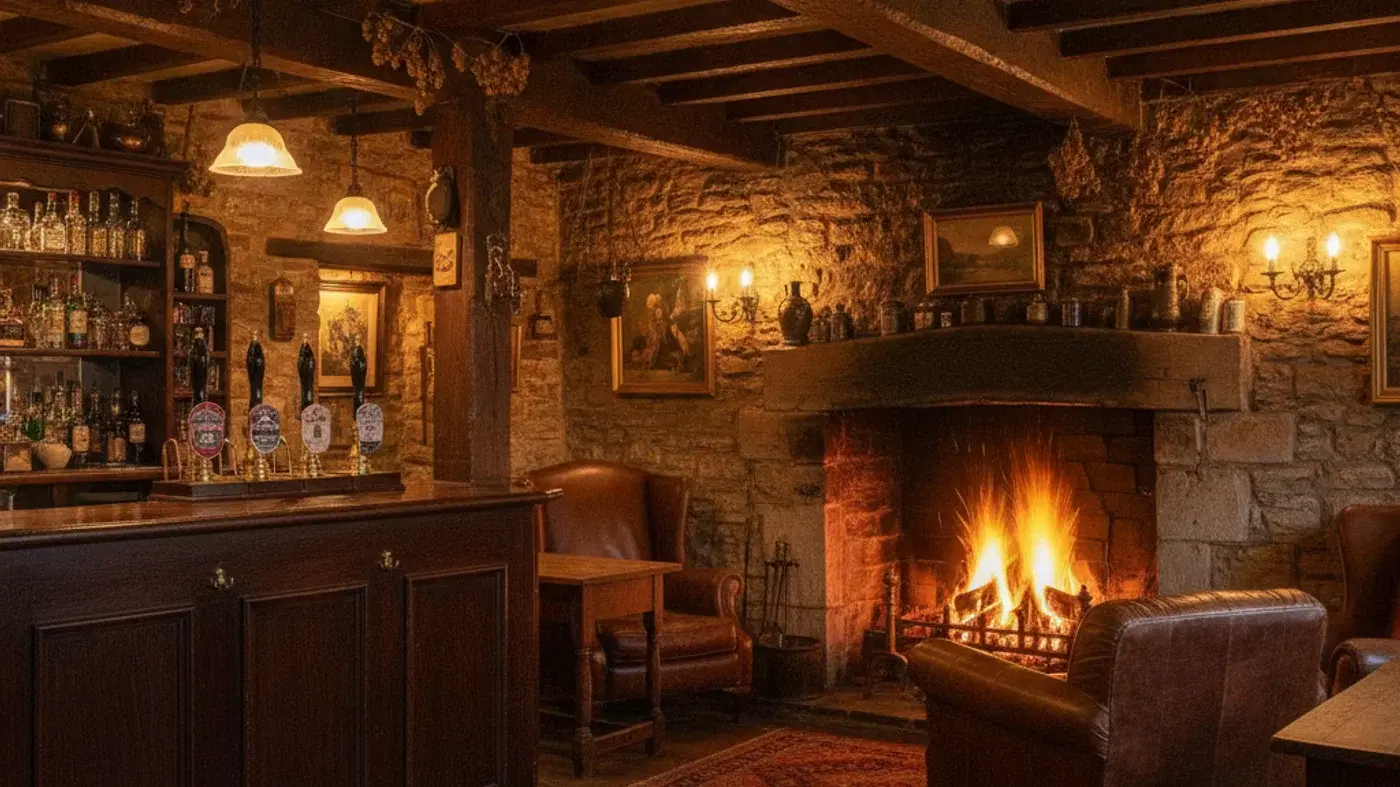
The Oldest Pubs in Ponteland
One of them is built into the remains of a medieval castle. A guide to Ponteland's oldest and most historic pubs, from a 13th-century tower to Georgian coaching inns.
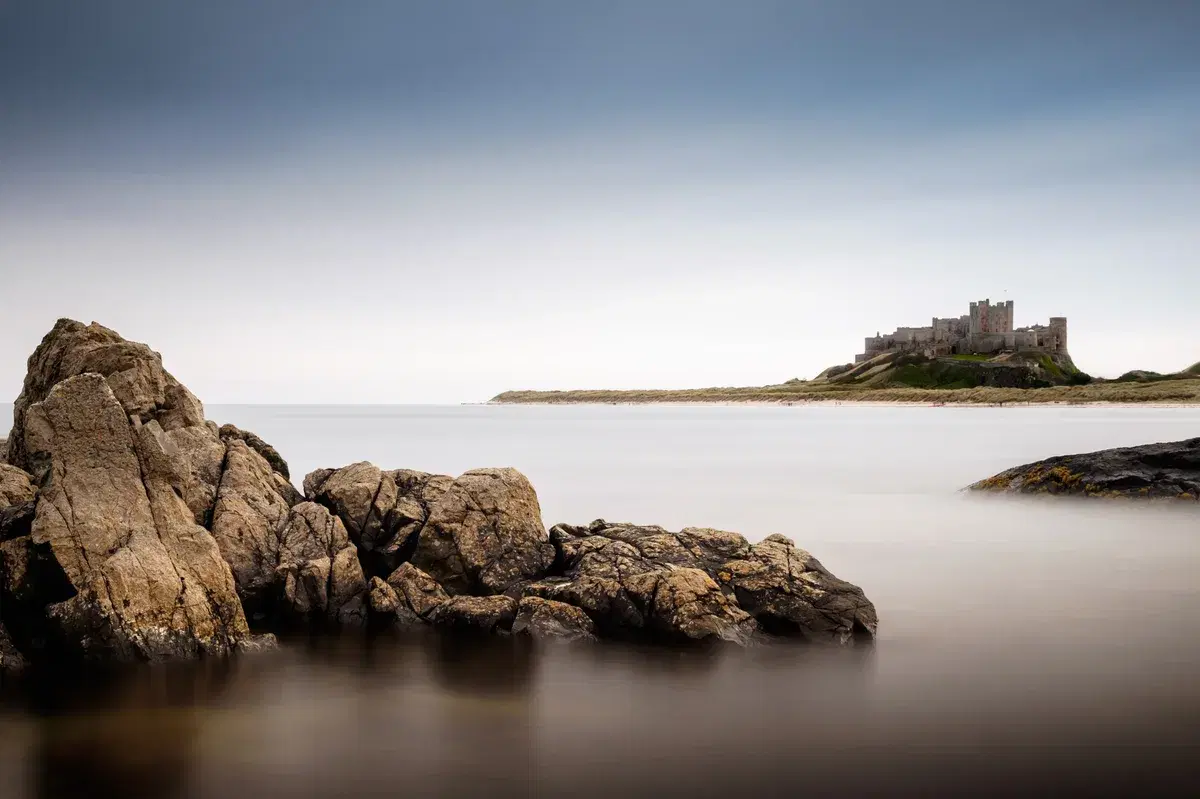
Ponteland on Screen: Northumberland's Film and TV Country
Just north-west of Newcastle, Ponteland is the gateway to Northumberland's film country: Hogwarts at Alnwick, Indiana Jones at Bamburgh, Jurassic World at Cragside and Vera along the coast.

Interesting Facts About Ponteland
A medieval castle behind a pub, a nationally unusual school campus and a village full of famous residents: surprising facts about Ponteland.

Famous People from Ponteland
Ponteland is as famous for who lives there as who was born there, from bestselling authors raised in the village to the Newcastle United legends of the Darras Hall estate.
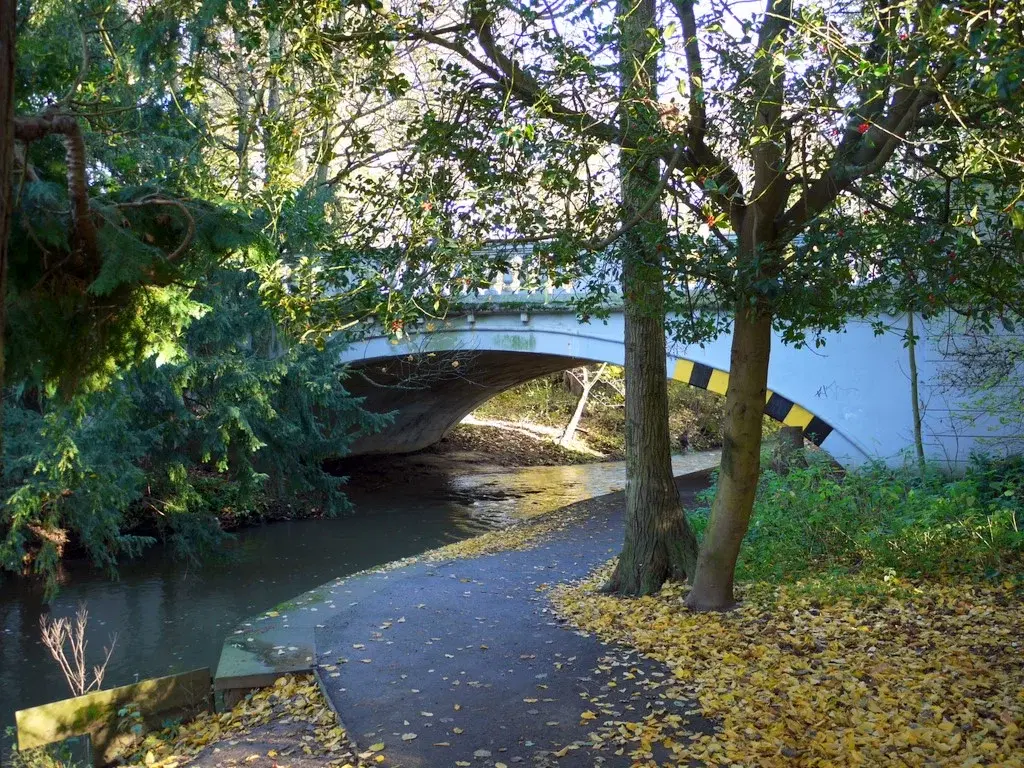
A Ponteland Heritage Walk: The Church, the Castle and the River Pont
Ponteland's oldest landmarks sit within a few minutes' stroll of one another. A short, easy heritage walk around the old heart of the village, the Saxon-founded church, a medieval castle-tower, and the river the town is named for.
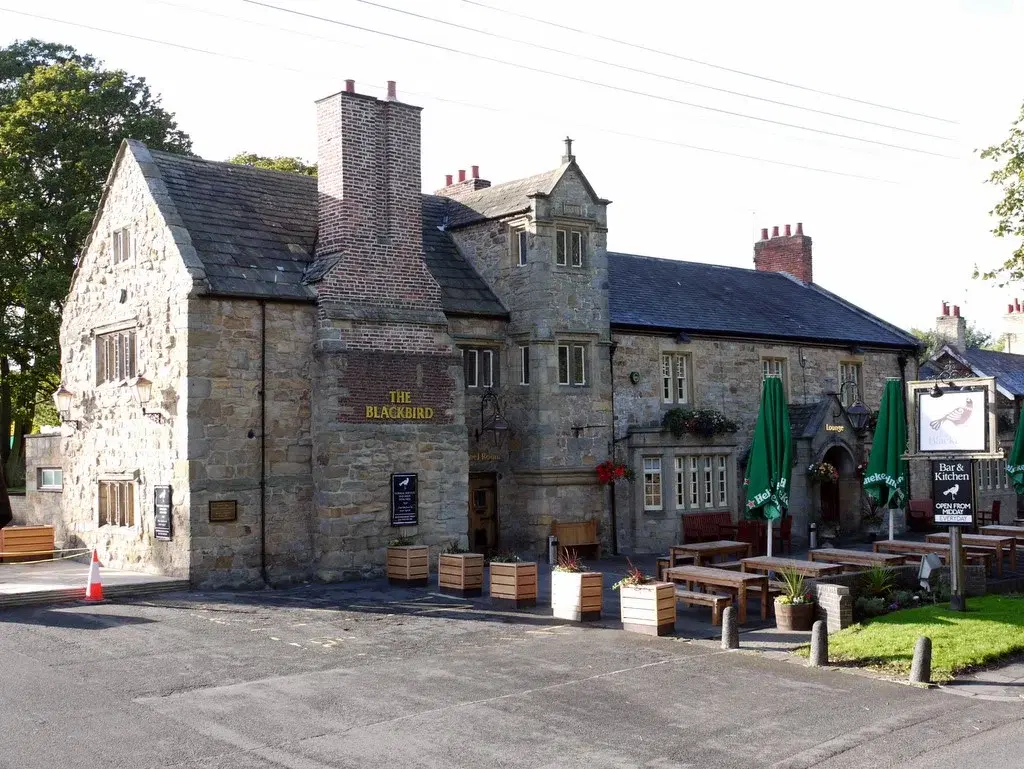
Ponteland Castle and the Blackbird Inn: A Medieval Fortress Behind the Bar
Behind one of the North East's oldest pubs stands a genuine medieval tower, all that survived when the Scots razed Ponteland Castle the day before the Battle of Otterburn in 1388. The story of the fortress that became the Blackbird Inn.
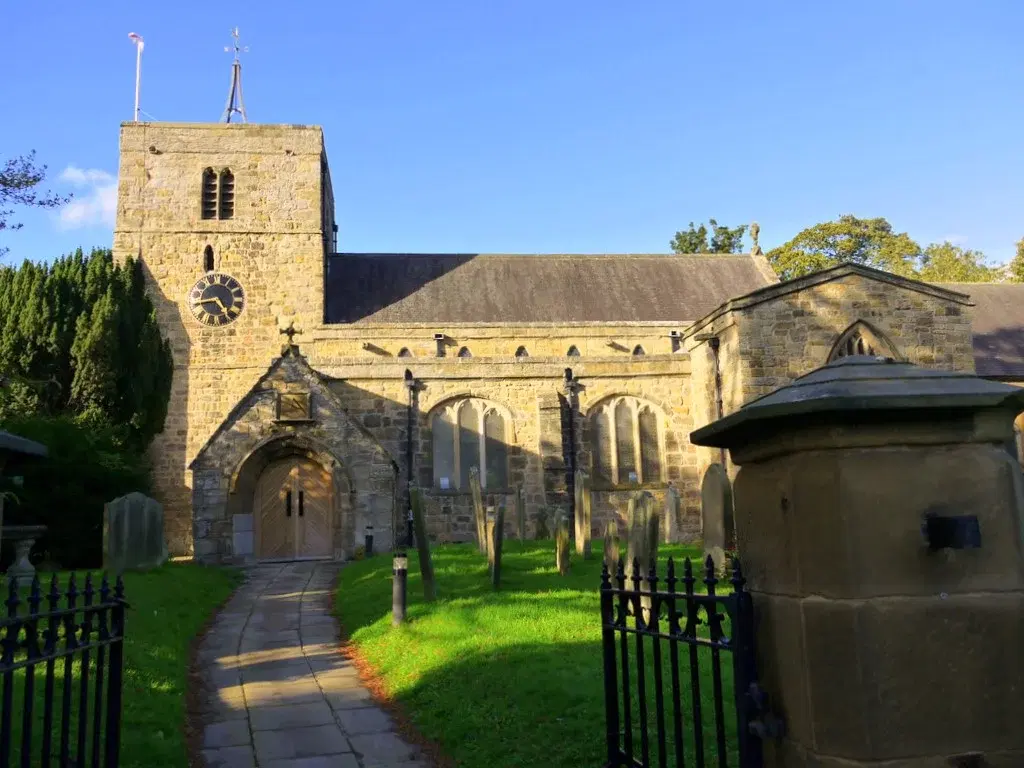
St Mary's Church, Ponteland: The Town's Oldest Building
A church has stood on the bank of the River Pont since Saxon times, with a 10th-century grave marker in its tower wall and Norman walls four feet thick. The story of St Mary the Virgin, the building Ponteland grew around.
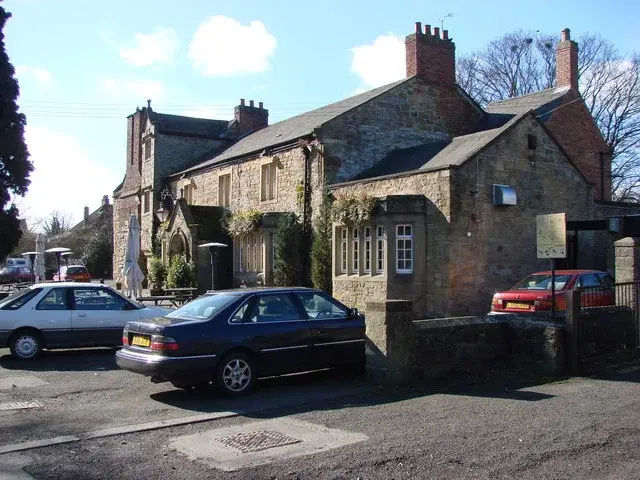
The History and Heritage of Ponteland
A 12th-century church, a fortified vicarage and an inn built on the ruins of a medieval castle. The story of Ponteland is written into three remarkable buildings that still stand on the River Pont.