Darras Hall Explained: The North East's Garden Village
Leafy roads, large gardens and a reputation as one of the North East's most sought-after addresses. The story of the Darras Hall estate, its garden-village origins, the Estate Committee and its byelaws, and what to know before you buy, build or extend here.
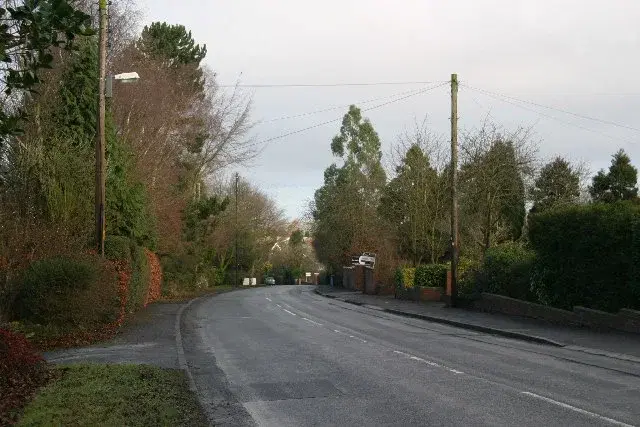
Wide, tree-lined roads, generous gardens and well-spaced houses set back behind mature hedges, Darras Hall looks different from anywhere else around Ponteland, and there is a reason for that. It was designed that way more than a century ago, and to this day it is governed by its own set of rules. Here is the story of the estate and, if you are thinking of moving in or improving a house here, the practical things worth knowing first.
A garden village, born in 1907
Darras Hall began in 1907, when the Northern Allotment Society, led by the Newcastle philanthropist Joseph Wakinshaw, bought three farms (Darras Hall, Little Callerton and Little Callerton Moor), around a thousand acres in all. The idea was very much of its time: a "garden city" where people could live in spacious, green surroundings, a respectable arm's length from the smoke of industrial Tyneside.
The land was divided into roughly 190 plots of about five acres each, sold off at auction from 1911 for well-off families to build spacious homes with large gardens. From the start, careful thought went into the layout, and in 1910 the estate was formally constituted with trustees and a legally binding Trust Deed, the document that still shapes the place today. (The name is much older: a medieval settlement of Darras Hall was recorded in the 13th century before being lost, and the area was a farming township in the parish of Ponteland for centuries after.)
Why it looks the way it does
Those origins explain the estate's distinctive, semi-rural feel. Over time the original five-acre plots were subdivided as houses were built, but the Trust Deed sets a minimum plot size of a quarter of an acre, which keeps the low density and the green, open character. Many of the roads are lined with mature trees and shrubs, and the estate is well-known locally for its wildlife. It is one of the few places near Newcastle still holding on to a foothold of red squirrels.
The Estate Committee and its byelaws
The part that surprises newcomers most: Darras Hall is managed by its own elected Estate Committee (fifteen owners), which administers the Trust Deed and a book of byelaws designed to protect the estate from unsympathetic development.
The key thing to understand is that these rules run alongside the council's planning system, not instead of it. Under the byelaws, many changes to a property need the Committee's consent even where the council does not require planning permission. That net is wide. It can catch things like fences and front boundary treatments, garden buildings, dormers and rooflights, and there are covenants protecting "paddock land" from being built on. Front boundary treatments, for example, must sit within the property's own curtilage and keep the semi-rural ethos of the estate.
None of this is a reason to be put off. It is exactly what has kept Darras Hall the way it is, but it does mean the order of events matters. If you are planning work, check the byelaws and speak to the Estate Committee early, before you commission detailed drawings, and use architects and builders who already know how the estate operates.
Living in Darras Hall today
Darras Hall is consistently among the most desirable, and most expensive, places to live in the North East, and the reasons are practical as much as aesthetic. It is a short drive from Newcastle and minutes from the airport, it has the leafy space families want, and it sits within the catchment of highly-regarded schools, including the Outstanding-rated Darras Hall Primary (see our schools and catchment guide). The Broadway shopping parade gives the estate its own little high street, home to the Michelin-recognised Haveli, Elkwater Bar & Bistro, a bakery, a gift shop and everyday services, with the wider choice of Ponteland village a short walk or drive away.
Buying, building or extending here
If Darras Hall is on your shortlist, a few practical pointers:
- Budget for the premium. Plot size, the schools and the setting all feed into values that sit well above the surrounding area, factor that into what you get for your money.
- Read the covenants before you buy. Ask your solicitor to confirm the Trust Deed and byelaw obligations attaching to a specific property, especially if you have plans to extend or remodel.
- Get Committee consent early. For any change, assume you may need the Estate Committee's approval as well as (or instead of) council planning, and build that step into your timeline.
- Use people who know the estate. Local architects, planning consultants and builders who regularly work in Darras Hall will save you time and mis-steps, a practice such as Ely Architects, based on the estate, is experienced in the Estate Committee's requirements. Our local directory and trades pages list more.
Useful links
The Darras Hall Estate Committee publishes the current byelaws and covenant guidance, and Ponteland Town Council covers the wider parish. New to the area? Our moving to Ponteland guide has the bigger picture, and the high street guide covers where to shop.
Local businesses mentioned
Darras Hall Primary School
Middle Drive, Darras Hall, Ponteland, Newcastle upon Tyne, NE20 9DS
Haveli
3-5 Broadway, Darras Hall, Ponteland, Newcastle upon Tyne, NE20 9PW
Elkwater Bar & Bistro
33-35 Broadway, Darras Hall, Ponteland, Newcastle upon Tyne, NE20 9PW
Carousel Gifts
31 Broadway, Darras Hall, Ponteland, Newcastle upon Tyne, NE20 9PW
Never miss what’s on
Join the weekly Ponteland.live digest — the best events, news and local tips, straight to your inbox. Free, one email a week.
What's On
Autumn Terrarium Workshop at Dobbies
2:30 PM · Dobbies Garden Centre, Ponteland, NE20 9BT
Ponteland 1st XV v Darlington
3:00 PM · Ponteland RFC, Ponteland Leisure Centre, Callerton Lane, Ponteland, Newcastle upon Tyne, NE20 9EG
Ponteland 2nd XV v Newcastle Ravens
3:00 PM · Ponteland RFC, Ponteland Leisure Centre, Callerton Lane, Ponteland, Newcastle upon Tyne, NE20 9EG